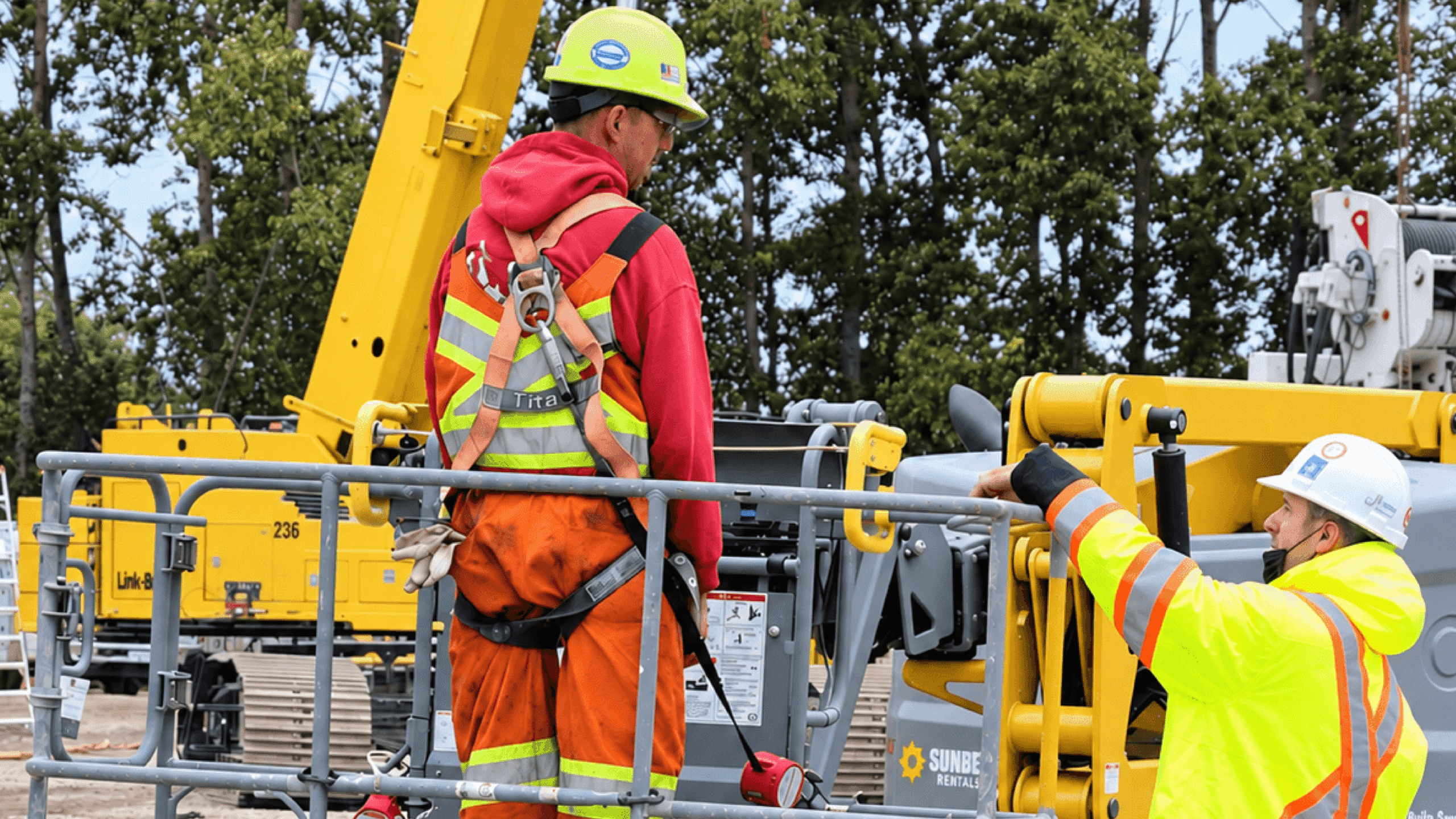
A good supervisor understands the work. An effective safety supervisor understands the people performing it, the risks involved, and the decisions needed to keep operations running safely.
That distinction matters.
Supervisors are often promoted because of their technical knowledge, experience, or ability to manage a team. Those qualities provide a valuable foundation, but overseeing workplace health and safety introduces another set of responsibilities.
It requires more than knowing the rules. It requires the judgment to apply them, the confidence to address concerns, and the ability to make safety part of everyday operations.
Understanding the Responsibility
Across Canada, supervisors have important responsibilities under occupational health and safety legislation. These generally include informing workers about hazards, ensuring appropriate protective measures are followed, and taking reasonable precautions to protect workers.
However, the specific legal requirements vary between federal, provincial, and territorial jurisdictions.
The Canadian Centre for Occupational Health and Safety (CCOHS) outlines the fundamental responsibilities of workplace supervisors while recognizing these jurisdictional differences.
Understanding which requirements apply is essential, particularly for supervisors working across different provinces, industries, or project environments.
Training can provide that knowledge. Experience helps put it into perspective. Effective supervision requires both, alongside an understanding of the work being directed.
Knowing the Work, Not Just the Procedures
Consider a construction site where several trades are working simultaneously.
Each contractor may have established procedures, qualified personnel, and the necessary equipment. Individually, their activities may appear well planned.
But what happens when their work begins to overlap?
A change in equipment movement, access routes, or scheduled activities can introduce risks that were not present during the original planning process.
An effective supervisor recognizes these interactions and considers whether existing controls remain appropriate.
This requires an understanding of how work is actually performed, not simply how it is described in a procedure.
It also means recognizing when additional expertise is needed. Supervisors are not expected to know everything, but they should understand the limits of their knowledge and involve the right people when necessary.
Communication Is Part of the Job
Safety communication should never operate in only one direction.
Supervisors need to explain expectations, provide instructions, and address unsafe conditions. Equally important is creating opportunities for workers to raise concerns, ask questions, and share observations.
Workers often have valuable insight into the conditions they encounter every day.
A procedure may appear straightforward on paper, while the person performing the task can identify equipment limitations, access challenges, or circumstances that make it difficult to follow.
Listening to those observations gives supervisors a more complete picture of the work.
The CCOHS guidance on workers’ rights reinforces the importance of workers being informed about hazards and participating in workplace health and safety.
For supervisors, the practical lesson is straightforward: communication works best when people understand both what is expected and why it matters.
Making Decisions When Conditions Change
Workplace conditions rarely remain static.
Schedules change. Equipment becomes unavailable. Weather affects planned activities. Unexpected maintenance introduces new hazards.
Supervisors must be able to recognize when those changes affect the original work plan.
Sometimes the appropriate response is a simple adjustment. Other situations may require a reassessment, additional controls, consultation with qualified personnel, or stopping an activity until the risk can be addressed.
The important skill is knowing when the existing approach is no longer sufficient.
This is where experience, training, and sound judgment come together.
As CCOHS explains in its guidance on competency, workplace competency generally involves a combination of knowledge, training, and experience. Completing a course is valuable, but it does not automatically establish competence for every task or supervisory responsibility.
Following Through Makes the Difference
Identifying a concern is only one part of effective supervision.
What happens afterward is equally important.
If a worker reports damaged equipment, an effective response involves more than recording the observation. The concern needs to be assessed, appropriate action taken, and the outcome communicated to those affected.
The same principle applies to inspections, hazard reports, and corrective actions.
Consistent follow-through helps establish clear expectations. It also demonstrates that raising a concern can lead to meaningful action.
Over time, these everyday decisions influence how workers experience health and safety within their organization.
Developing Stronger Supervisors
Organizations sometimes focus supervisor development primarily on technical qualifications or years of industry experience.
Both matter, but neither provides the complete picture.
A more comprehensive approach considers regulatory knowledge, communication, hazard recognition, decision-making, and the ability to guide people through changing workplace conditions.
Supervisors also benefit from ongoing development as their responsibilities evolve.
New projects, unfamiliar hazards, and different regulatory environments can introduce challenges that require additional knowledge and preparation.
Investing in supervisor development is ultimately about giving people the tools to make informed decisions and carry out their responsibilities effectively.
Building Knowledge for the Responsibility Ahead
Effective safety supervision is developed through a combination of education, experience, and everyday application.
Understanding the rules provides the foundation. Knowing how to apply them is what makes that knowledge useful.
HSE Elements offers a Canadian Safety Supervisor Series focused on jurisdiction-specific health and safety responsibilities, helping supervisors better understand the requirements associated with their roles.
Explore the Canadian Safety Supervisor Series to find training relevant to your jurisdiction.
Please note: This article provides general educational guidance. Confirm the requirements applicable to your jurisdiction with the appropriate regulatory authority.