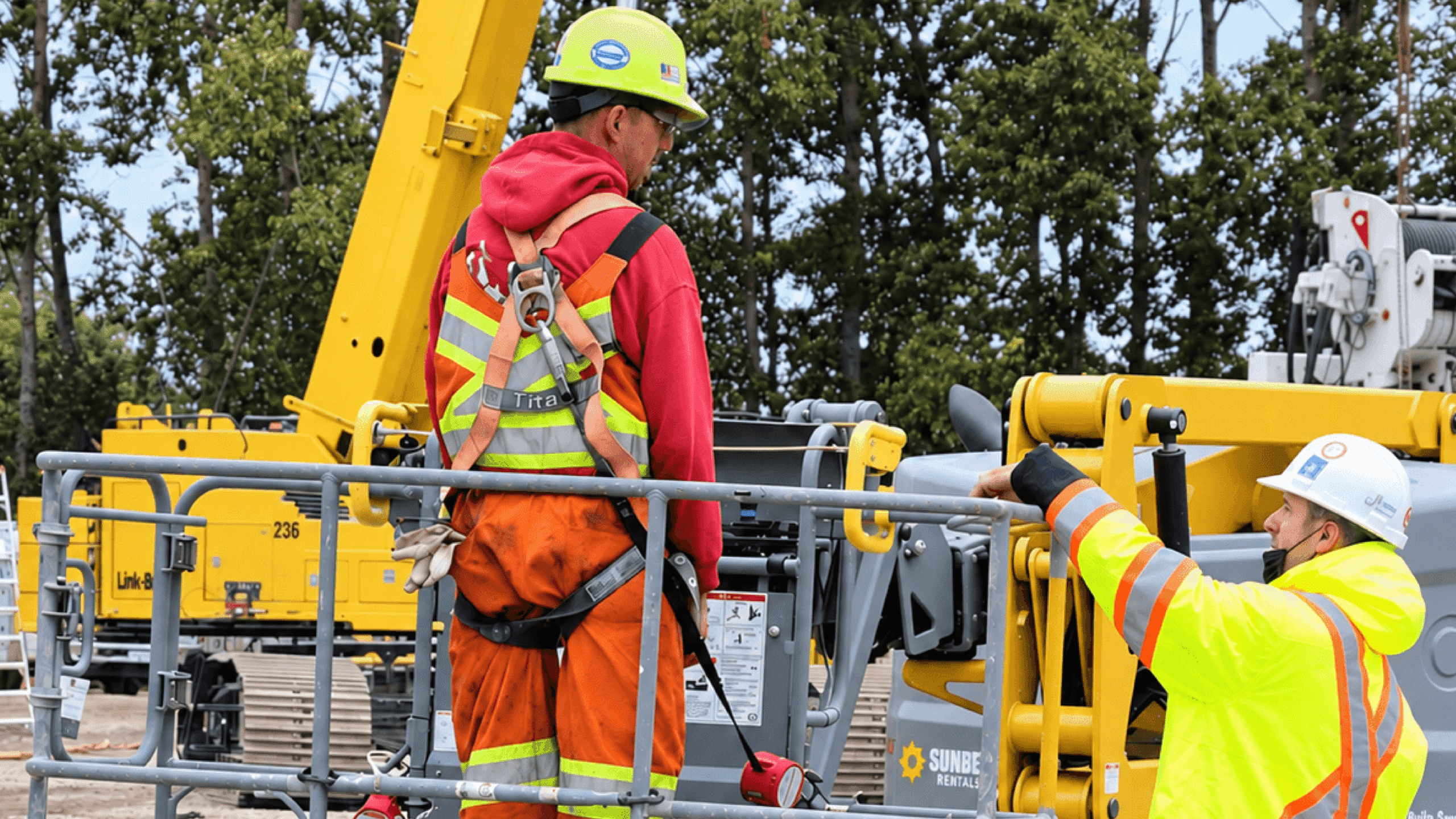
Workplace inspections and health and safety audits are often discussed together. While both help organizations evaluate workplace safety, they serve different purposes and answer different questions.
An inspection typically examines workplace conditions, activities, and potential hazards.
An audit takes a broader look at how an organization’s health and safety arrangements are established, implemented, and maintained.
Understanding the difference helps organizations identify what needs attention, where improvements may be required, and whether existing processes are working as intended.
What Is a Workplace Safety Inspection?
A workplace safety inspection is a structured examination of workplace conditions, equipment, activities, and practices to identify existing or potential hazards.
Depending on the workplace, inspections may examine machinery, access routes, housekeeping, protective equipment, work procedures, material storage, or other conditions that could affect worker health and safety.
The objective is to recognize concerns and determine what action may be necessary.
According to the Canadian Centre for Occupational Health and Safety (CCOHS), effective workplace inspections help organizations identify hazards, understand the conditions contributing to them, and recommend corrective action.
For example, an inspection at an industrial facility might identify materials obstructing an emergency exit.
The immediate concern is clear: access must be restored, and appropriate action taken to address the hazard.
However, an effective inspection should also consider the circumstances that allowed the obstruction to occur.
Was the designated storage area unavailable? Were materials placed there temporarily? Is the issue recurring?
Understanding the contributing factors can help organizations identify more appropriate corrective actions.
Inspections Are an Ongoing Activity
Workplace inspections should not be treated as isolated events.
Conditions change as equipment is used, materials are moved, projects progress, and different activities take place.
Regular inspections provide opportunities to recognize those changes and address concerns before they contribute to an incident.
Inspection responsibilities and frequencies may also be prescribed by applicable occupational health and safety legislation.
Organizations should confirm the requirements relevant to their jurisdiction, industry, and work activities.
What Is a Health and Safety Audit?
A health and safety audit evaluates whether an organization’s established policies, procedures, processes, and controls meet defined criteria and are operating effectively.
Rather than concentrating on an individual workplace condition, an audit generally considers how health and safety is being managed.
This may involve examining documentation, reviewing records, interviewing personnel, observing activities, and assessing whether established processes are being followed.
An audit might consider questions such as:
- Are responsibilities clearly assigned?
- Are required inspections taking place?
- Are identified hazards being addressed?
- Are corrective actions documented and followed through?
- Are workers receiving the instruction and training required for their work?
- Are the organization’s procedures consistent with applicable requirements?
These questions help determine whether the systems intended to manage risk are functioning as expected.
As outlined by CCOHS in its guidance on occupational health and safety programs, audits can help identify weaknesses in a program and provide a basis for corrective action and improvement.
The precise scope depends on the audit’s objectives and criteria. An internal program review, a regulatory compliance audit, and an audit against a management system standard may involve different requirements.
How Do Inspections and Audits Work Together?
Consider an organization that repeatedly identifies poor housekeeping in the same work area.
An inspection may document the condition, identify the immediate hazard, and recommend corrective action.
But if the same problem continues to appear, there may be a broader issue.
An audit could examine whether housekeeping responsibilities are clearly assigned, whether inspections are completed consistently, and whether previous corrective actions were properly implemented and verified.
The inspection identifies the condition.
The audit examines whether the processes intended to manage that condition are working.
Neither activity replaces the other.
A well-documented health and safety program does not guarantee that hazards are being controlled in the workplace. Similarly, a workplace that appears orderly during an inspection may still have weaknesses in its underlying systems.
Both perspectives are valuable.
When Should an Organization Consider Each?
Inspections are particularly useful when organizations need to examine current conditions, identify hazards, verify controls, or monitor activities.
They are an important part of routine workplace management and may be subject to specific regulatory requirements.
Audits are useful when an organization needs a broader assessment of its health and safety arrangements.
This may be relevant when reviewing an established program, preparing for organizational changes, responding to recurring issues, or evaluating how well responsibilities and procedures are being implemented.
Organizations managing multiple projects, locations, or contractors may also benefit from examining whether their expectations are applied consistently.
The appropriate approach depends on the organization’s objectives, risks, and legal obligations.
The Value Is in What Happens Next
An inspection report or audit finding has limited value if the information is not used.
Meaningful follow-through requires organizations to determine which concerns need attention, identify appropriate corrective actions, and establish responsibility for implementation.
It is also important to confirm whether those actions have addressed the original issue.
For example, replacing a damaged piece of equipment may resolve an immediate concern. But if similar damage repeatedly occurs, further investigation may be necessary to understand why.
The CCOHS guidance on effective workplace inspections emphasizes reviewing previous findings, monitoring corrective actions, and using inspection results to identify trends.
These activities turn observations into information that can support better decisions.
Seeing the Workplace and the Bigger Picture
Inspections and audits provide different but complementary perspectives.
One helps organizations understand what is happening in the workplace. The other examines whether the systems and processes used to manage health and safety are doing what they are intended to do.
Together, they can provide a more informed view of operational risks, responsibilities, and opportunities for improvement.
HSE Elements provides workplace inspections, field assessments, and HSE audit services to help organizations identify hazards, examine compliance gaps, and determine practical corrective actions.
Explore HSE Elements’ Field Services to learn more about workplace inspections and audits.